A local Tour operator of Uttarakhand and authorized by local authorities

🕉️ Char Dham Yatra 🕉️

The Sacred Pilgrimage to Four Divine Abodes of Uttarakhand

The Char Dham Yatra is one of the most revered pilgrimages in Hinduism, consisting of four sacred shrines nestled in the majestic Garhwal Himalayas of Uttarakhand. This spiritual journey, believed to cleanse one's soul and grant moksha (liberation), takes devotees through Yamunotri, Gangotri, Kedarnath, and Badrinath. According to Hindu scriptures, every Hindu should undertake this pilgrimage at least once in their lifetime to attain salvation and spiritual enlightenment.
The Four Sacred Dhams

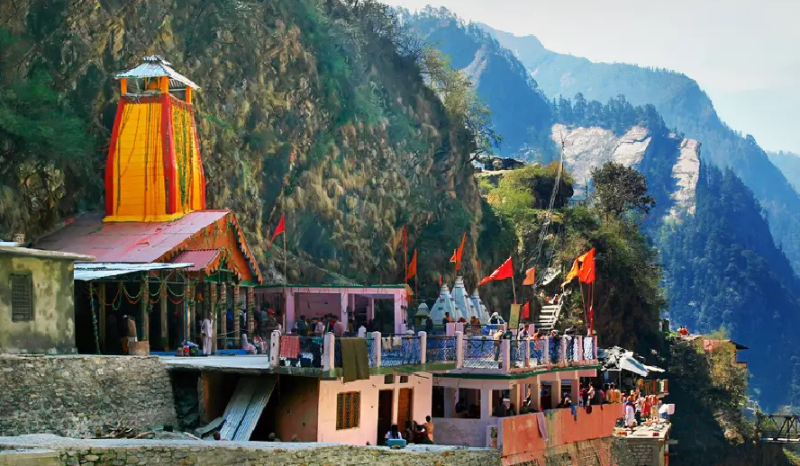
Yamunotri Temple

Yamunotri

📍 Uttarkashi District, Uttarakhand

Deity: Goddess Yamuna

Altitude: 3,293 meters (10,804 feet)

Opening Time: Akshaya Tritiya (April-May)

Closing Time: Yama Dwitiya (October-November)

Yamunotri marks the source of the sacred Yamuna River and is the first stop in the traditional Char Dham circuit. The temple, dedicated to Goddess Yamuna, daughter of Sun God Surya, stands near the thermal springs of Jamunabai Kund. Pilgrims cook rice and potatoes in the hot springs as offerings.

Trek: 6 km from Janki Chatti

Significance: Bathing in Yamuna is believed to protect from untimely death and grant moksha.
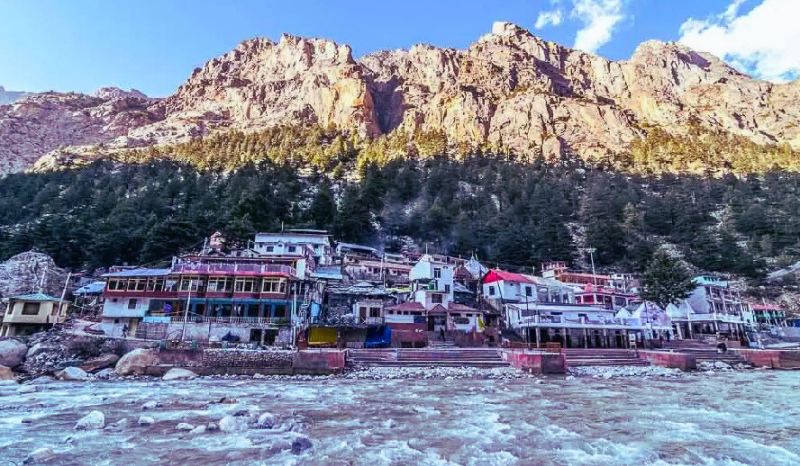
Gangotri Temple

Gangotri

📍 Uttarkashi District, Uttarakhand

Deity: Goddess Ganga

Altitude: 3,100 meters (10,200 feet)

Opening Time: Akshaya Tritiya (April-May)

Closing Time: Diwali (October-November)

Gangotri temple marks the origin of the holy River Ganga (Bhagirathi). Built by Gorkha General Amar Singh Thapa in the 18th century, the temple commemorates the descent of Goddess Ganga to earth. The actual source, Gaumukh glacier, is 19 km further upstream.

Legend: King Bhagirath performed penance here to bring Ganga to earth to liberate his ancestors.

Sacred Stone: Bhagirath Shila marks the king's meditation spot.

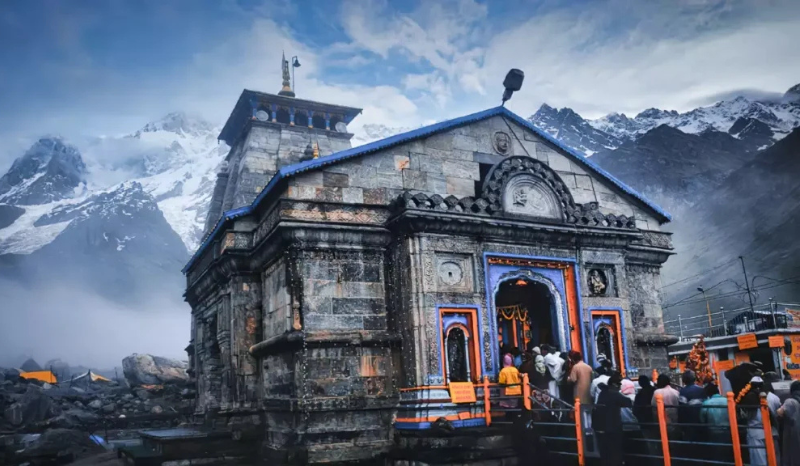
Kedarnath Temple

Kedarnath

📍 Rudraprayag District, Uttarakhand

Deity: Lord Shiva (Jyotirlinga)

Altitude: 3,583 meters (11,755 feet)

Opening Time: Akshaya Tritiya (April-May)

Closing Time: Kartik Purnima (October-November)

Kedarnath temple is one of the twelve Jyotirlingas and holds immense spiritual significance. The ancient temple, built by the Pandavas and revived by Adi Shankaracharya in the 8th century, miraculously survived the devastating 2013 floods. Only the hump of Lord Shiva is worshipped here.

Trek: 16 km from Gaurikund (helicopter services available)

Legend: After the Mahabharata war, Pandavas sought Lord Shiva's blessings here for redemption.
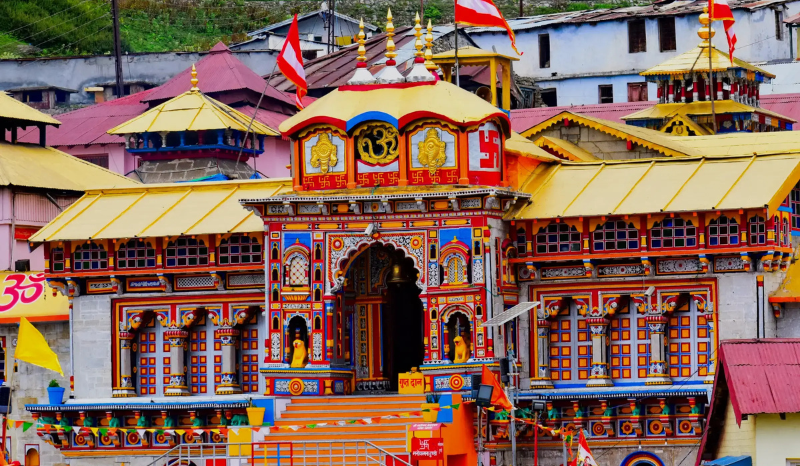
Badrinath Temple

Badrinath

📍 Chamoli District, Uttarakhand

Deity: Lord Vishnu (Badri Vishal)

Altitude: 3,133 meters (10,279 feet)

Opening Time: Akshaya Tritiya (April-May)

Closing Time: Vijaya Dashami (October-November)

Badrinath temple, dedicated to Lord Vishnu in his meditation form, is one of the 108 Divya Desams. The temple houses a one-meter-tall black stone idol of Lord Badrinarayan. Located between Nar and Narayan mountain ranges, it's the most accessible of the four dhams.

Hot Springs: Tapt Kund near the temple offers therapeutic bathing.

Importance: Last Dham in the traditional circuit and part of Chota Char Dham.

Essential Travel Information

📆 Best Time to Visit

  • Peak Season: May to June (after temple opening)
  • Good Weather: September to early October
  • Avoid: Monsoon season (July-August) due to landslides
  • Temperature: 0°C to 20°C depending on month and location
  • Temples remain closed during winter months due to heavy snowfall

🚗 How to Reach

  • By Air: Jolly Grant Airport, Dehradun (nearest airport)
  • By Train: Haridwar and Rishikesh railway stations
  • By Road: Well-connected from Delhi, Dehradun, Haridwar, Rishikesh
  • Helicopter Services: Available for all four dhams from Dehradun
  • Base Towns: Haridwar and Rishikesh serve as starting points

⏱️ Duration & Distances

  • Total Duration: 10-12 days by road
  • By Helicopter: 5-6 days complete circuit
  • Haridwar to Yamunotri: 220 km + 6 km trek
  • Yamunotri to Gangotri: Via Uttarkashi, 250 km
  • Gangotri to Kedarnath: 240 km + 16 km trek
  • Kedarnath to Badrinath: 220 km

🎒 What to Pack

  • Warm woolen clothes and jackets (essential)
  • Raincoat and waterproof gear
  • Comfortable trekking shoes with good grip
  • Walking stick for treks
  • Sunglasses, sunscreen, and lip balm
  • Basic first-aid kit and personal medications
  • Torch with extra batteries
  • Water bottle and dry snacks
  • Power bank for mobile charging

📄 Required Documents

  • Valid government-issued photo ID (Aadhaar, Passport, Driving License)
  • Medical certificate (for senior citizens and those with health conditions)
  • Registration receipts (if booked through official portals)
  • Travel insurance (recommended)
  • Keep multiple photocopies of all documents

💰 Budget Planning

  • Budget Trip: ₹15,000-25,000 per person
  • Mid-Range Trip: ₹30,000-50,000 per person
  • Helicopter Package: ₹1,50,000-2,50,000 per person
  • Carry sufficient cash as ATMs are limited in remote areas
  • Temple offerings and donations are voluntary

Traditional Pilgrimage Circuit

Day 1-2: Haridwar/Rishikesh to Yamunotri

Travel to Barkot or Janki Chatti. Next day, trek 6 km to Yamunotri temple. Return and stay overnight at base.

Day 3-4: Yamunotri to Gangotri

Drive via Uttarkashi to Gangotri (approximately 8-10 hours). Visit temple, perform rituals, and stay overnight.

Day 5-7: Gangotri to Kedarnath

Drive to Gaurikund via Rudraprayag. Next day, trek 16 km to Kedarnath. Darshan and overnight stay. Return trek next day.

Day 8-9: Kedarnath to Badrinath

Drive to Badrinath via Joshimath (approximately 7-8 hours). Visit temple, Tapt Kund, Mana village, and other nearby attractions.

Day 10-11: Badrinath to Haridwar/Rishikesh

Return journey to Haridwar/Rishikesh with stops at Devprayag and other prayags (confluences).

Spiritual Significance & Beliefs

The Char Dham Yatra is not merely a physical journey but a profound spiritual experience that represents the soul's journey toward moksha (liberation). According to Hindu philosophy:

  • Completing the Char Dham pilgrimage washes away all sins and grants moksha
  • The journey symbolizes moving from material attachments toward spiritual awakening
  • Each dham represents different aspects of Hindu cosmology and divine energy
  • Visiting these sites is believed to break the cycle of birth and rebirth
  • Adi Shankaracharya established these four sites to revive Sanatan Dharma in the 8th century
  • The pilgrimage should ideally be undertaken from west to east: Yamunotri → Gangotri → Kedarnath → Badrinath

Important Rituals & Practices

Sacred Bath Take holy dips in thermal springs at Yamunotri and Tapt Kund at Badrinath before temple darshan
Offerings Offer flowers, coconut, sweets, and perform aarti at each temple. Cook rice at Yamunotri's hot springs
Puja Services Priests are available at all temples for performing special pujas and rituals for devotees
Prasad Receive and respect prasad (blessed food) from each temple as divine blessing

Health & Safety Guidelines

🩺 Health Precautions

  • Consult doctor before traveling, especially for elderly and children
  • Carry altitude sickness medication (Diamox if prescribed)
  • Stay hydrated but avoid excessive water intake at once
  • Avoid alcohol and smoking during the journey
  • Eat light, easily digestible meals
  • Rest adequately to acclimatize to high altitude
  • Emergency medical facilities available at all dhams

⚠️ Safety Tips

  • Check weather forecasts before starting journey
  • Avoid traveling during heavy rains or bad weather
  • Trek during daylight hours only
  • Stay on designated paths and follow guide instructions
  • Register with local authorities at base camps
  • Keep emergency contacts handy
  • Travel insurance is highly recommended

🌡️ Altitude Sickness Prevention

  • Ascend gradually and allow body to acclimatize
  • Recognize symptoms: headache, nausea, dizziness, fatigue
  • Descend immediately if symptoms worsen
  • Avoid strenuous activity on first day at high altitude
  • Sleep at lower altitude when possible
  • Deep breathing exercises help with oxygen levels

📱 Connectivity & Communication

  • Limited mobile network coverage in remote areas
  • BSNL has better coverage than private operators
  • Satellite phones available for emergencies
  • Inform family about your itinerary
  • Share location periodically when network available
  • Keep backup battery and power bank charged

Accommodation & Facilities

🏨 Accommodation Options

  • Government Guesthouses: Basic, affordable accommodation
  • Dharamshalas: Charity lodges near temples
  • Private Hotels: Available in major towns
  • Tented Camps: At some locations during peak season
  • Book in advance during peak season
  • Basic amenities available at all locations

🍽️ Food & Dining

  • Simple vegetarian meals (sattvic food) available everywhere
  • Community kitchens (bhandaras) offer free meals
  • Packaged drinking water widely available
  • Non-vegetarian food and alcohol strictly prohibited
  • Local cuisine includes rajma, rice, roti, and vegetables
  • Carry dry fruits and energy bars for treks

👨 Porter & Guide Services

  • Porters available for hire at trekking points
  • Palanquins (dolis) and ponies available for elderly/children
  • Fixed government rates for porter and pony services
  • Local guides knowledgeable about routes and weather
  • Book services from authorized counters only

⚙️ Other Facilities

  • Petrol pumps available till major towns only
  • Limited ATM facilities - carry cash
  • Medical centers at all dham locations
  • Cloakroom facilities at temples for luggage
  • Oxygen cylinders available if needed
  • Helicopter rescue services for emergencies

Environmental Responsibility

As pilgrims visiting these sacred and ecologically sensitive Himalayan regions, it is our duty to preserve and protect the environment:

  • No Littering: Carry all plastic waste back and dispose properly
  • Use Eco-friendly Products: Avoid plastic bottles, use refillable containers
  • Respect Nature: Do not pluck flowers or damage vegetation
  • Minimize Pollution: Use public transport or shared vehicles when possible
  • Save Water: Use water resources judiciously in these water-scarce regions
  • Support Local: Buy from local vendors to support mountain communities
  • Follow Guidelines: Adhere to rules set by temple committees and forest departments

🙏 May Your Journey Be Blessed 🙏

The Char Dham Yatra is a transformative journey that purifies the soul and strengthens faith. May Lord Shiva, Lord Vishnu, Goddess Yamuna, and Goddess Ganga shower their divine blessings upon all pilgrims.

Har Har Mahadev | Jai Badri Vishal | Jai Gangotri | Jai Yamunotri